Large Language Models and Language
Large Language Models — LLMs specifically, and neural networks in general — you can consider them as tipping points in human history. But why? This blog sheds light on that question.
The human species is notably distinguishable from other species by two characteristics: extensive communication with each other, and tool making. The tool which is both an enabler and extender of those two characteristics is, of course, language.
I pose the following two questions:
- Can you think without a language?
- Can you speak or think about an object without a word for it, or speak about a subject without a name — except, of course, the word it?
Language is a very special tool, and every enhancement to language causes notable shifts in human society. In my view, Western civilization, which started in Greece, is directly related to the "invention" of using vowels in the written Greek language. Written artifacts have been around for three to four thousand years. From hieroglyphs and cuneiform we moved to a kind of alphabet from which you could form words or word parts. In LLMs we talk about tokens, which are just another name for word parts.
Vowels
In Greece, around eight hundred B.C., someone introduced a new invention in the alphabet: vowels. With the introduction of vowels, words can be read and pronounced in a more uniform way. One can even read and pronounce words without understanding what one reads. This sounds familiar to how we think a computer reads.
Let's elaborate on this with some examples. First, the reader has to be somewhat familiar with the Greek alphabet. Compare the following two words:
- ΟΜMΑΤΑ and ΠOΔEΣ
The second word is harder to read for the average reader, since the letters in the first word are more familiar and used in our current alphabet. We can read both words without knowing what they mean.
Removing the vowels makes it much harder — try it with the words above. The following very common name is written without vowels:
- MHMD
You can easily read the name Mohamed, but you can also read the following names:
- Mahmoud
- Mahmud
- Mohammed
- Muhammad
- Mehmed
- Mahmod
- Mohmed
Once again, a name with vowels can only be read in one way:
- MOXAMET can only be read as MOXAMET.
The above examples show the power of written vowel.
Of course, "past performance is not indicative of future results," but I truly believe that language technology enhancements make scarce expertise more widely available and easily accessible, they democratize humanity. LLMs are such a language technology enhancement. Let's consider some other language technology enhancements throughout history.
From Scrolls to Books
Below you see a scroll. Up until Christianity, important documents were written on scrolls.

With Christianity, the book became sacred. Bible means book of books. Books, as a "language technology enhancement," spread Christianity widely. Christianity was fundamentally a religion of texts from the beginning. Unlike many ancient religions that relied primarily on oral traditions, rituals, and priestly roles, Christianity centered on:
Sacred scriptures — The Hebrew Bible (Old Testament) and the emerging New Testament writings (gospels, epistles) gave Christianity a portable, standardized message. Anyone literate could read and interpret these texts.
Reproducibility — Texts could be copied and distributed. A Christian community in Antioch could read the same letter from Paul as one in Corinth, creating doctrinal consistency across vast distances.
Reading in Silence
The gentleman in the picture below is Church Father Ambrosius, surrounded by his books.
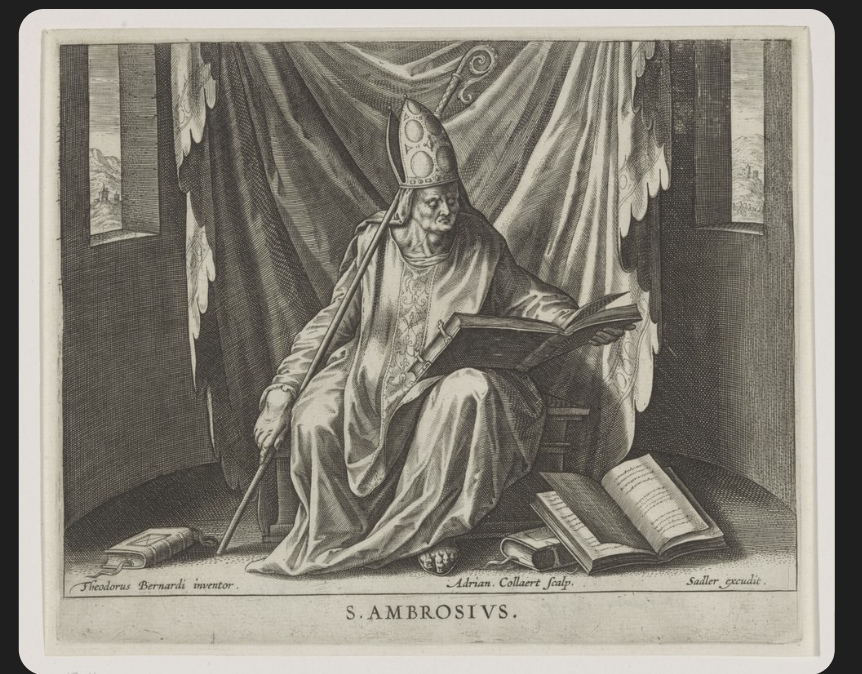
Generally, Church Father Ambrose is considered the first silent reader. Ambrose lived in the fourth century AD and was a bishop in Milan. It took another eleven hundred years before silent reading became the prevalent way of reading.
Printing Instead of Writing
Before printing, books were extremely expensive. It took years to copy a book. A monk could only produce a couple of pages a day. With printing, laymen working the presses were capable of printing up to 2,500 pages a day — almost a hundred times increase in speed.
Until printing became available, books were simply too rare and expensive to have around all the time, which meant that you had to remember the contents by heart. Only the teacher had the book available during lectures, and the students had to learn the contents by listening and committing them to memory.
In the time of Erasmus, when printing became more widely available, the way of knowledge transfer for students changed from listening to reading. Widespread monotheism came with books. Protestantism came with printing. Printing also changed the formal written language from Latin to the local native language.
Both books and printing, as "language enhancement tools," made scarce expertise more widely available and easily accessible, and democratized humanity.
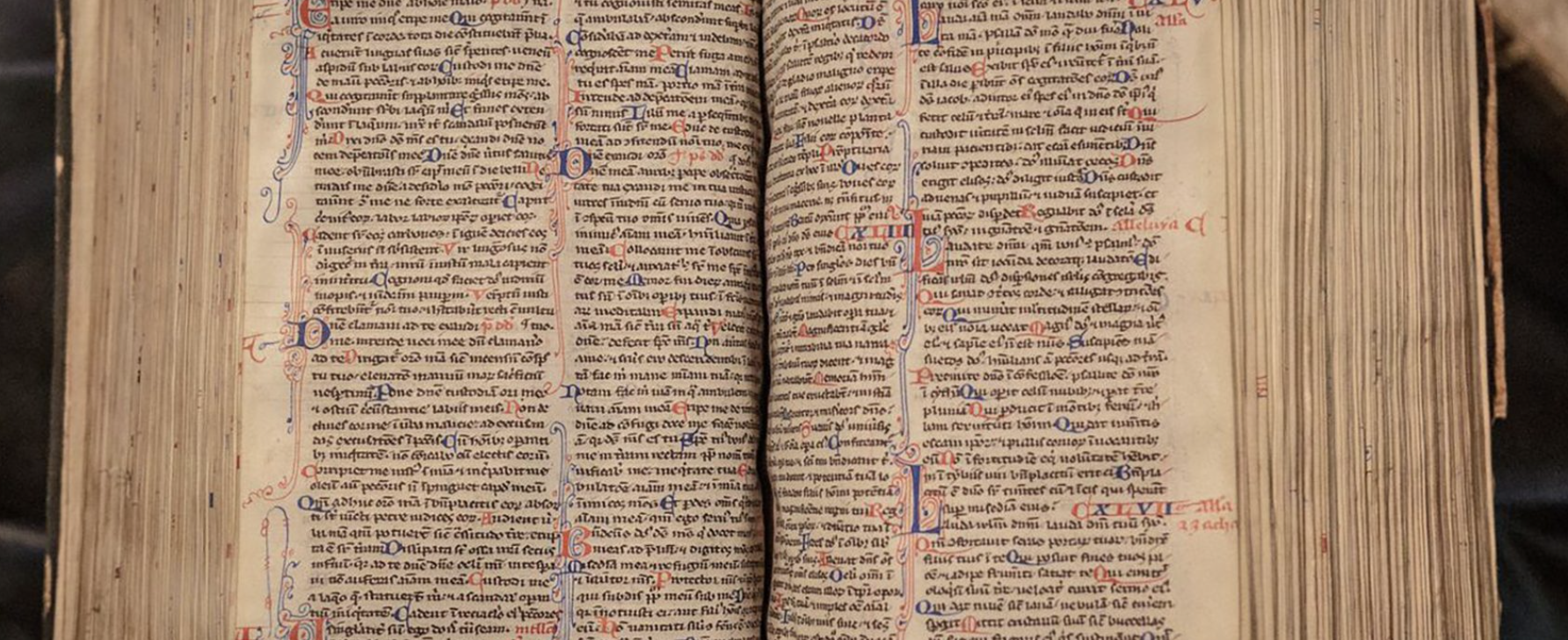
Below you see handwritten book pages.
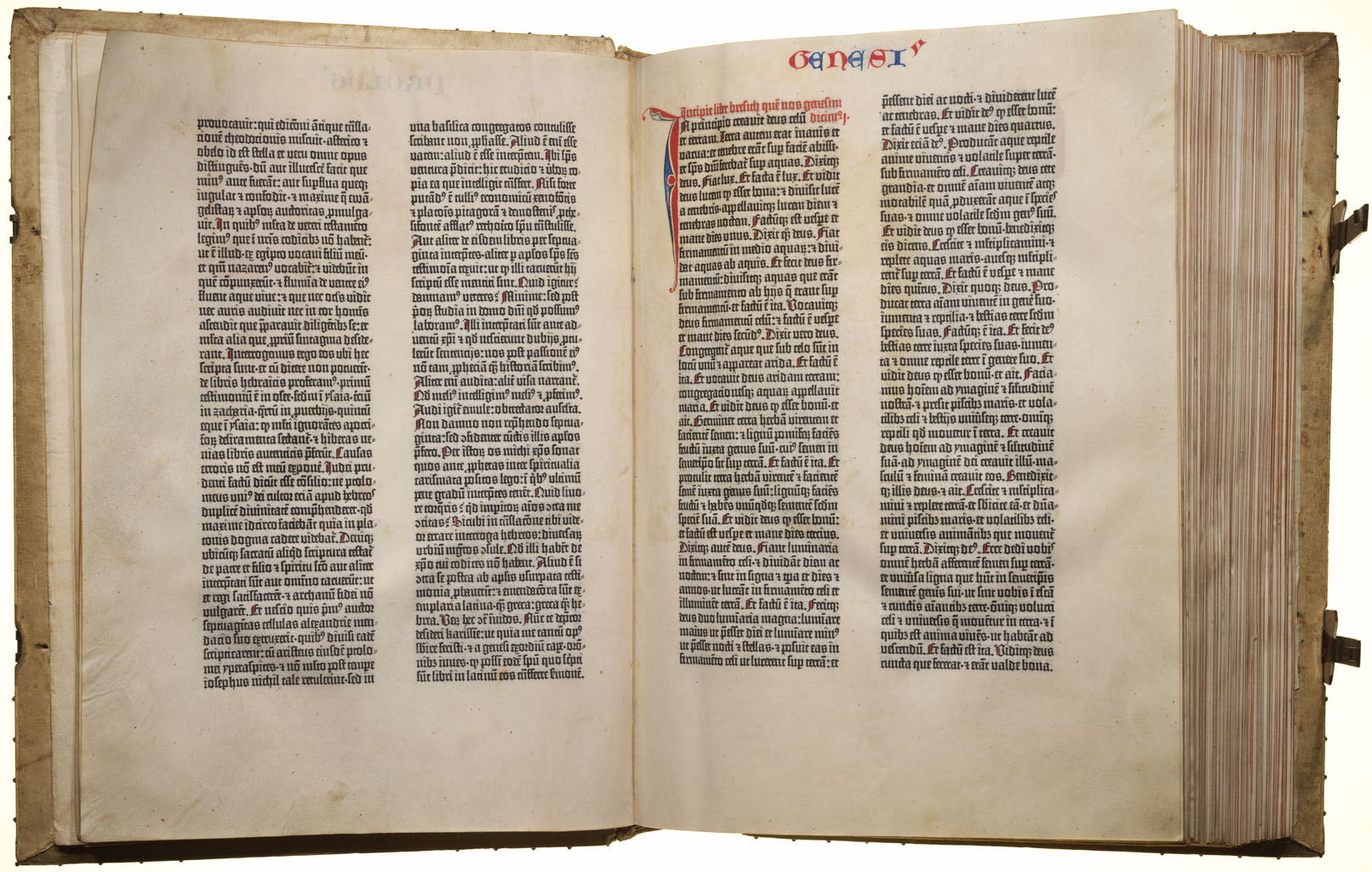
And here you see an early printed book pages
Printing Supercharged the Renaissance
Amplified existing trends — Ideas that were already circulating among educated elites could now spread faster and wider. A humanist text no longer required months of hand-copying; hundreds of identical copies could be produced quickly.
Standardization — Printed books meant everyone read the same version of Plato or Aristotle, enabling more productive scholarly debates and building cumulative knowledge.
Broader literacy — As books became cheaper and more available, literacy rates increased beyond clergy and aristocracy, expanding the audience for Renaissance ideas.
Preservation — Classical texts were less likely to be lost. Multiple copies in multiple locations meant knowledge was more secure.
The Reformation connection — Printing had its most dramatic impact with the Protestant Reformation (1517 onwards). Luther's 95 Theses and vernacular Bible translations spread like wildfire thanks to printing, fracturing Christian unity in ways that would have been impossible with hand-copied manuscripts.
Final Words on LLMs
From writing to printing to digitalizing text — every time, the physical processing time of text decreased by large multipliers. With LLMs, the mental processing of text starts to decrease by large multipliers.
Throughout history, significant language technology enhancements changed society significantly. LLMs are a huge language technology enhancement, and for that reason, a significant societal change can be expected.